
Discover how AI houses are transforming modern living with intelligent systems that adapt to your lifestyle. From personalized comfort and energy efficiency to advanced security and wellness support, these homes are redefining the way we live.

Introduction
The idea of a home that thinks, learns, and adapts to its occupants once belonged firmly in science fiction. Today, that idea is quickly becoming reality through the rise of the AI house. From smart lighting that adjusts to your mood to security systems that learn daily routines, artificial intelligence is transforming the way people live, relax, and interact with their homes. These houses revolutionizing the housing industry are not just about convenience, they are redefining comfort, efficiency, and sustainability for modern living.
An AI house goes beyond basic smart home technology. Instead of isolated devices working independently, artificial intelligence connects systems together, analyzes behavior, and makes decisions that improve daily life. This article begins by clearly explaining what an AI house is, then explores how it is reshaping modern living, whether renters can benefit from it, and what the future holds for intelligent homes.
What Is an AI House?
An AI house is a living space equipped with interconnected technologies powered by artificial intelligence. These systems collect data through sensors, cameras, voice assistants, and smart devices. The AI then processes this information to automate tasks, predict needs, and optimize the home environment without constant manual input.
Unlike traditional smart homes that rely on predefined rules, AI-driven homes learn over time. For example, instead of simply turning lights on at sunset, an AI system may notice when residents usually relax in the living room, adjust lighting intensity accordingly, and lower brightness if someone is watching a movie. This learning ability is what truly sets an AI house apart.
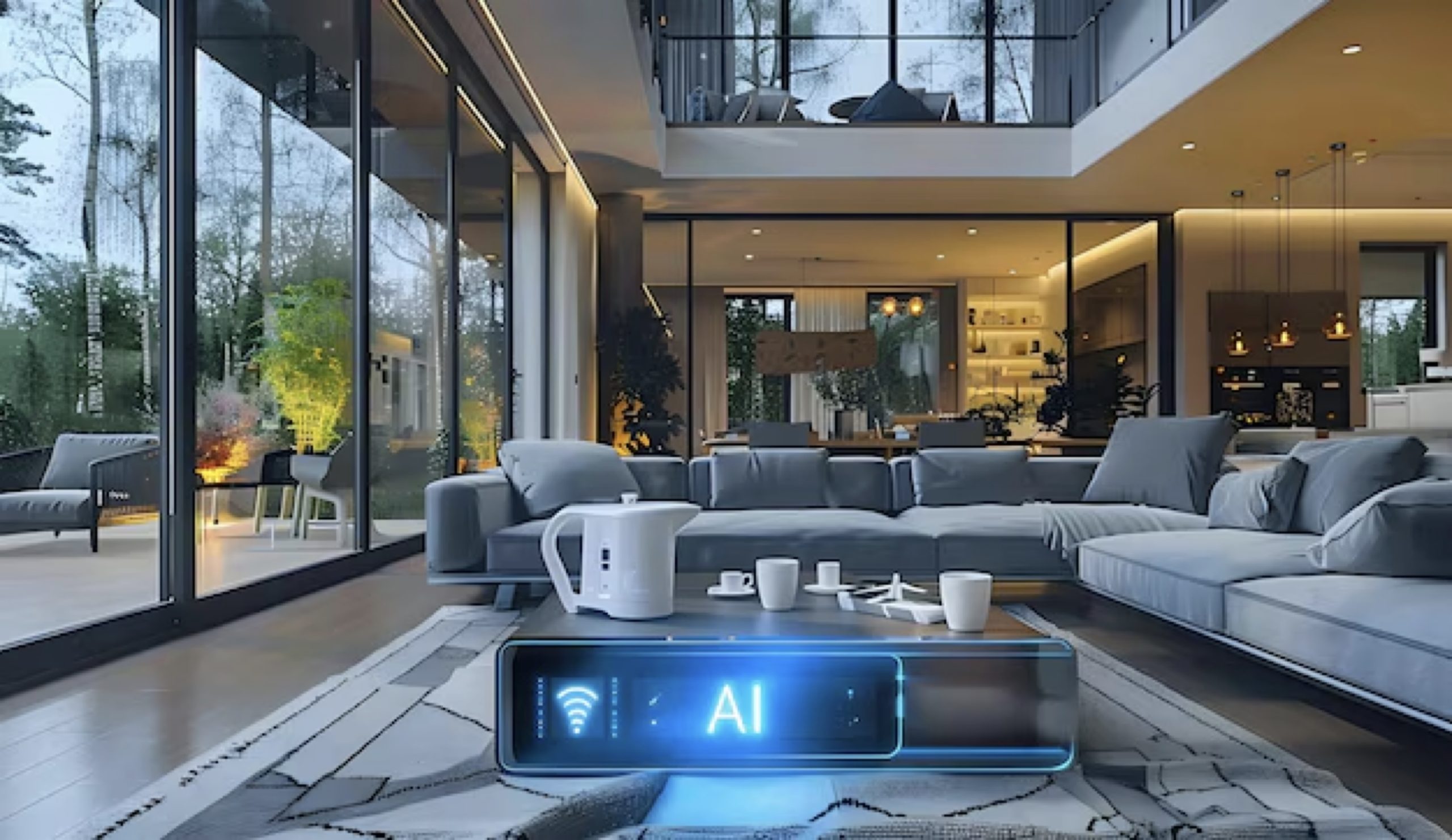
Key components of an AI house include smart climate control, intelligent lighting, voice-controlled assistants, predictive security systems, and energy management tools. All these elements work together as a unified ecosystem rather than individual gadgets. The result is a home that responds intuitively to its occupants, enhancing comfort while reducing wasted energy and effort.
Most importantly, AI houses are designed around people. They focus on how humans actually live, move, sleep, and work within a space. This human-centered design is a major reason why houses revolutionizing residential living are gaining global attention.
How AI Houses Are Transforming Modern Living
Smarter Comfort and Personalization
One of the most noticeable impacts of AI in homes is personalized comfort. Traditional thermostats require manual adjustment, while AI-powered climate systems learn temperature preferences based on time of day, weather, and individual habits. Over time, the system anticipates needs and adjusts automatically.
Lighting works in a similar way. AI systems can analyze natural light levels, room usage, and even emotional cues from voice tone. The home can brighten workspaces during the day, soften lighting in the evening, and create calming environments for sleep. This level of personalization supports healthier routines and better well-being, which is a core pillar of modern living.
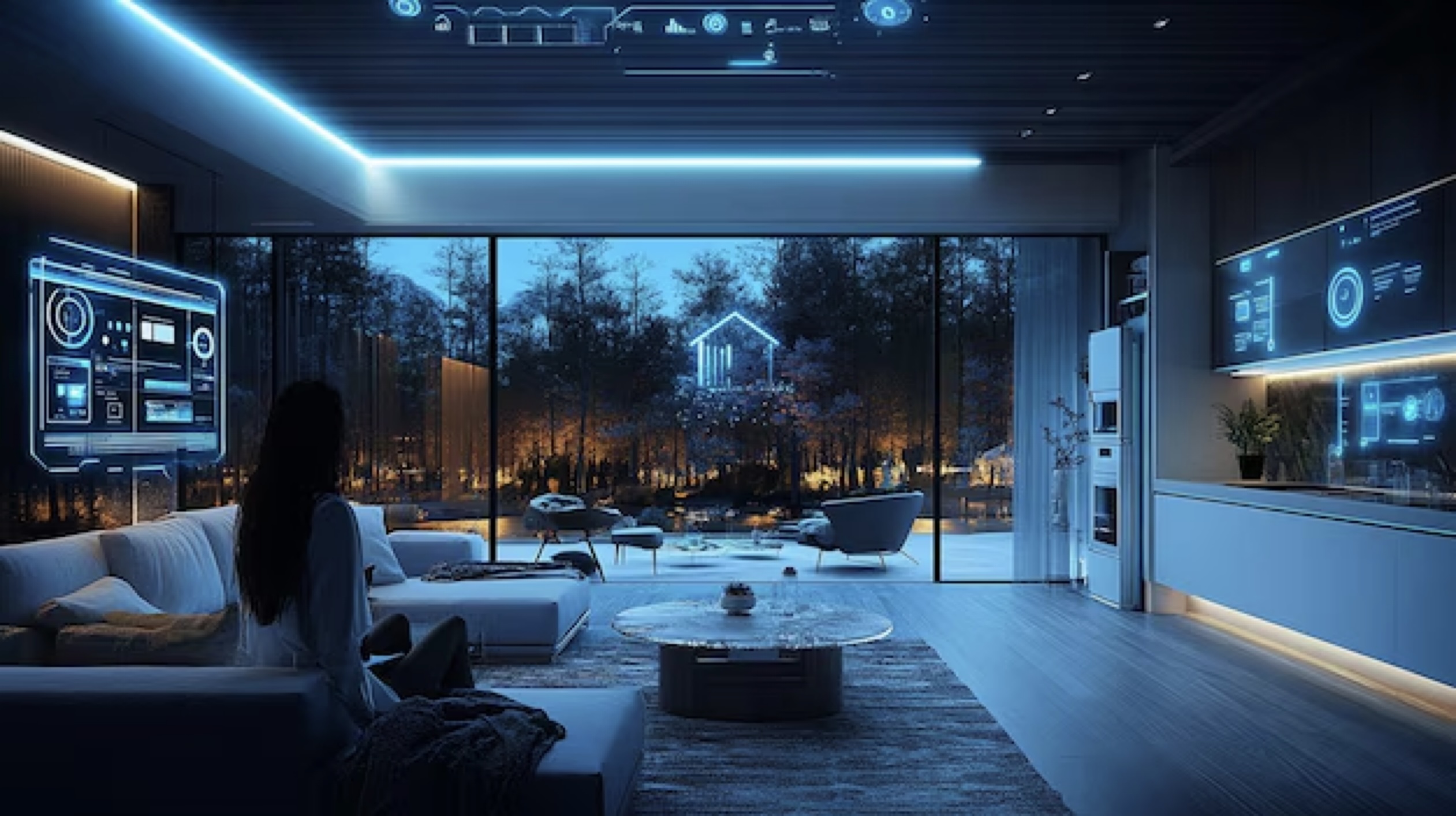
Entertainment also becomes more intuitive. AI-powered systems can recommend music, movies, or podcasts based on previous choices, current mood, or who is present in the room. The home becomes an active participant in daily life rather than a passive structure.
Energy Efficiency and Sustainability
Energy efficiency is one of the strongest arguments for AI-driven homes. By continuously monitoring energy usage, AI systems can identify waste and adjust consumption in real time. Heating and cooling systems shut down in unused rooms, appliances run during off-peak hours, and renewable energy sources are prioritized when available.
This intelligent management significantly reduces utility bills and environmental impact. As sustainability becomes increasingly important worldwide, AI houses align perfectly with eco-conscious values. Houses revolutionizing the future are not only smarter but also greener.
AI can even predict maintenance needs by analyzing system performance. For instance, changes in air quality or airflow patterns might indicate the need for duct cleaning, which helps maintain efficiency and indoor air health. By addressing such issues early, AI homes prevent larger problems and costly repairs.
Advanced Safety and Security
Security systems have evolved dramatically with AI integration. Instead of simple motion detection, AI-powered security can recognize familiar faces, differentiate between pets and intruders, and identify unusual behavior patterns. If something feels out of place, the system can alert homeowners instantly or take predefined actions.
Fire detection, gas leak monitoring, and emergency response are also enhanced through AI. Sensors continuously analyze environmental data, allowing the home to respond faster than traditional alarms. In emergencies, the system can unlock doors, guide occupants through voice instructions, and contact emergency services automatically.
This proactive approach to safety offers peace of mind, especially for families, elderly residents, and people who travel frequently. It reflects how modern living is shifting toward prevention rather than reaction.
Can Renters Turn Apartments into AI Homes?
A common misconception is that AI houses are only for homeowners with large budgets. In reality, renters can also enjoy many benefits of AI-driven living without permanent modifications. The key lies in choosing flexible, portable, and non-invasive technologies.
Voice assistants, smart plugs, smart bulbs, and wireless sensors are excellent starting points. These devices require minimal setup and can be removed easily when moving. AI-powered apps can integrate these tools into a cohesive system that learns routines and preferences, even in rented apartments.
Smart thermostats designed for renters can work alongside existing HVAC systems without altering infrastructure. Similarly, AI-powered security cameras and door sensors often rely on adhesive mounts rather than drilling. This makes them landlord-friendly while still delivering advanced features.
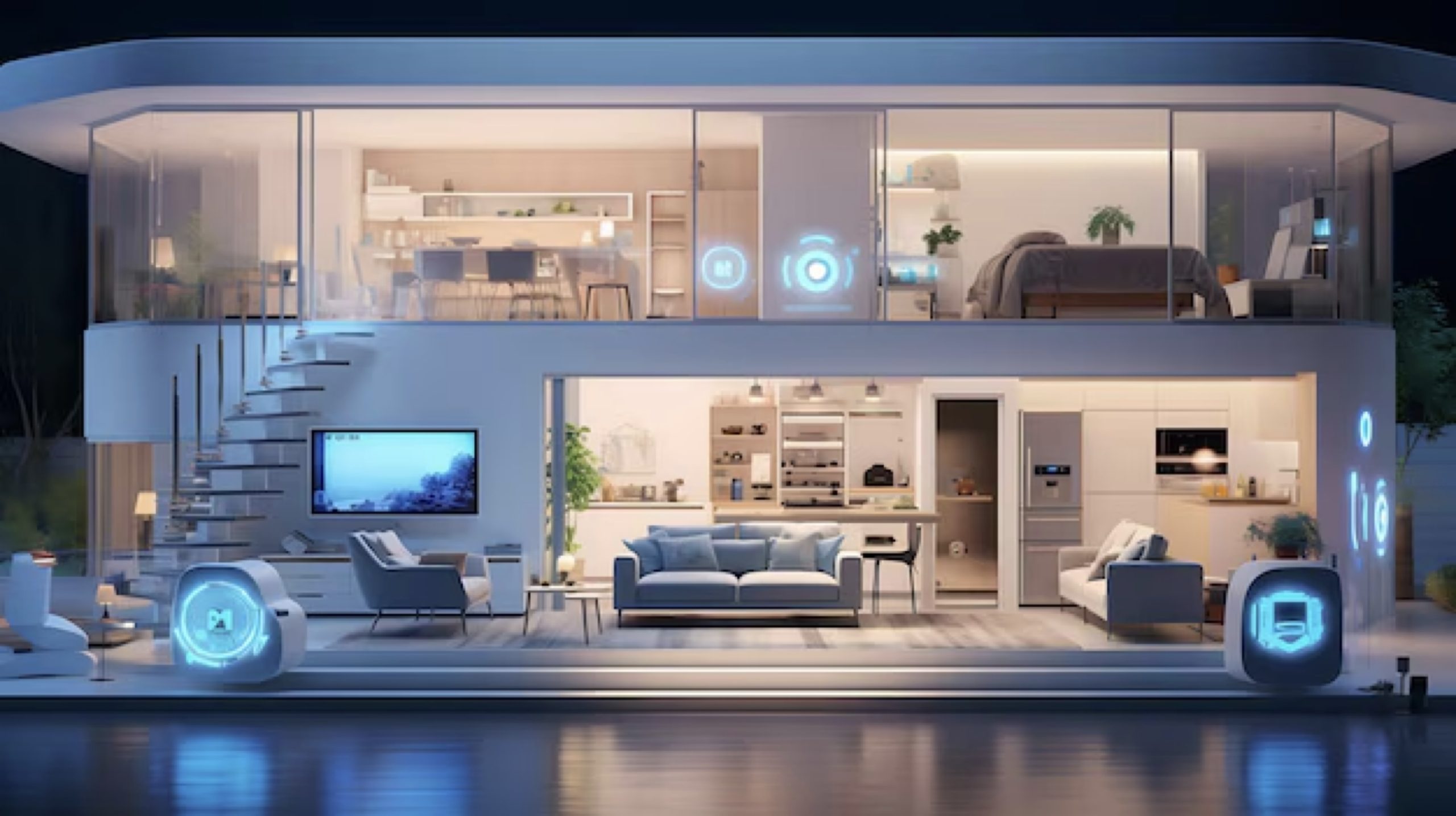
Cloud-based AI platforms further simplify the process. Many systems rely on software intelligence rather than hardwired installations. As a result, renters can build a personalized AI apartment that adapts to their lifestyle, proving that houses revolutionizing residential experiences are accessible beyond ownership.
The rise of subscription-based smart home services also lowers the entry barrier. Instead of investing heavily upfront, renters can pay monthly fees for AI-driven features that evolve over time. This flexibility aligns perfectly with the dynamic nature of modern living.
The Social and Lifestyle Impact of AI Houses
AI houses influence more than just comfort and efficiency. They change how people interact with their living spaces and with each other. By automating routine tasks, AI frees up time for meaningful activities like family interactions, hobbies, and rest.
Remote work is another area where AI homes shine. Intelligent lighting, noise control, and climate adjustments create productive home office environments. AI can even schedule focus periods by minimizing interruptions and adjusting surroundings to support concentration.

Health and wellness are also positively affected. AI systems can monitor sleep patterns, suggest better routines, and adjust environments to support physical and mental health. For elderly or disabled individuals, AI homes provide assistance with daily tasks, medication reminders, and emergency monitoring, promoting independence and dignity.
Socially, AI houses encourage more mindful living. By understanding consumption habits, residents become more aware of energy use, water consumption, and overall sustainability. This awareness fosters responsible behavior that benefits both individuals and communities.
Challenges and Ethical Considerations
Despite their benefits, AI houses also raise important concerns. Privacy is one of the most discussed issues. AI systems rely on data collection to function effectively, which means homeowners must trust how that data is stored and used. Transparency from technology providers is essential.
Cybersecurity is another challenge. As homes become more connected, they also become potential targets for digital threats. Strong encryption, regular updates, and user education are critical to maintaining security.
There is also the issue of accessibility. While costs are decreasing, advanced AI systems may still be out of reach for some populations. Ensuring that houses revolutionizing modern living remain inclusive will require thoughtful design and policy support.
Addressing these challenges responsibly will determine how widely and successfully AI houses are adopted in the future.
The Future of AI Houses and Modern Living
Looking ahead, AI houses will become even more intuitive and integrated. Advances in machine learning will allow homes to understand emotional cues, anticipate long-term needs, and collaborate with city infrastructure. Smart homes may communicate with smart grids, transportation systems, and healthcare providers to create fully connected living environments.
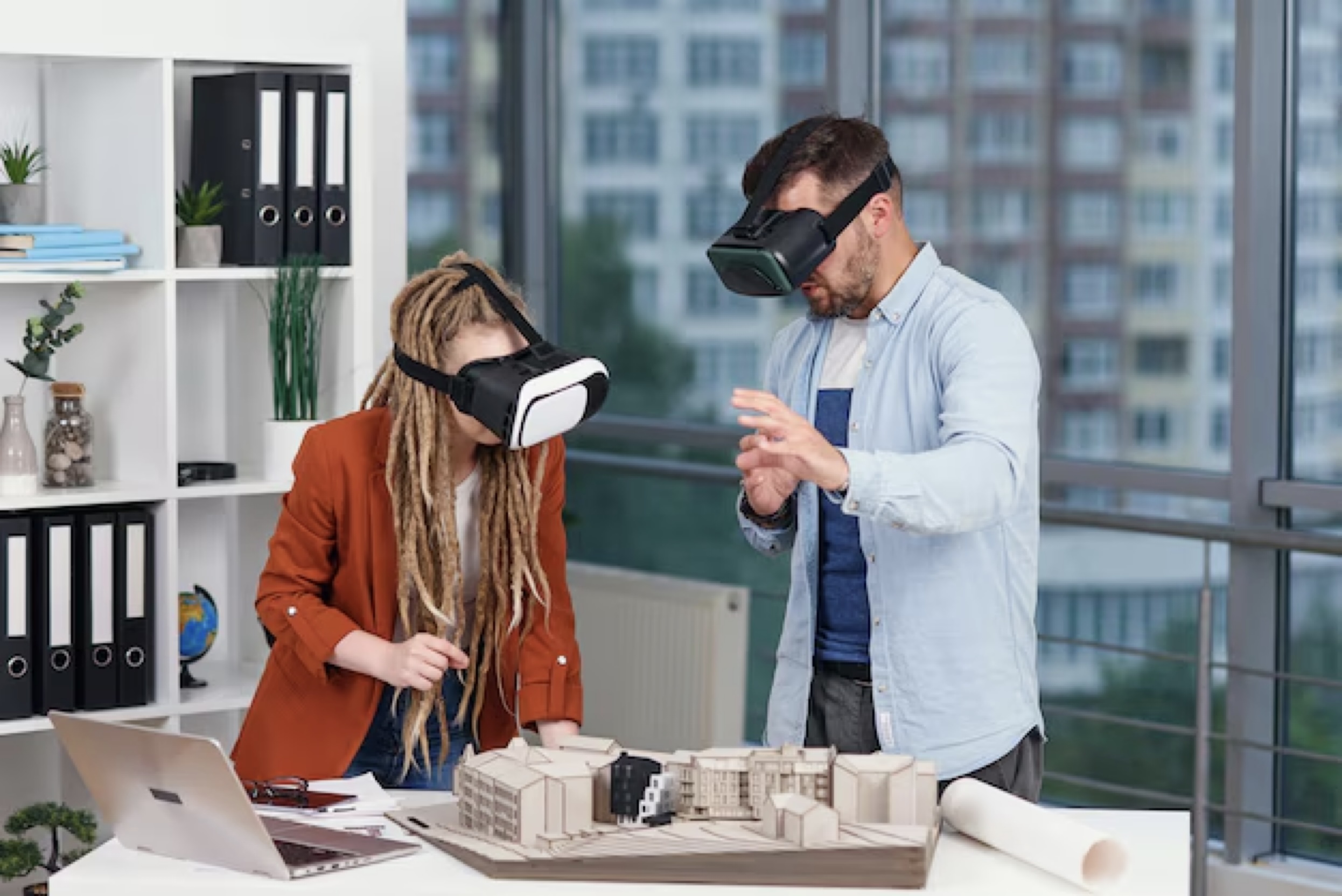
Voice and gesture control will become more natural, reducing the need for screens or manual inputs. AI will also play a greater role in sustainable construction, helping design homes that are efficient from the ground up.
As technology evolves, the line between home and assistant will blur. The house will not just shelter its occupants but actively support their goals, health, and happiness. This vision represents the true essence of modern living.
Conclusion
AI houses are no longer a distant concept, they are a rapidly growing reality reshaping how people live. By combining personalization, efficiency, safety, and sustainability, these houses revolutionizing residential life offer a smarter and more human-centered approach to housing. From homeowners to renters, the benefits of AI-driven living are becoming increasingly accessible.
If you are curious about upgrading your living space, start small. Explore AI-powered devices that fit your lifestyle and budget. Learn how intelligent systems can simplify daily routines and enhance comfort. Embracing an AI house today is not just an investment in technology, it is an investment in better living.
Sara William
is a digital marketing consultant, writer, freelancer, WordPress enthusiast, and coffee lover.