
How to Stay Organized as a New Teacher: A Practical Guide to Calm and Control by Emily Graham
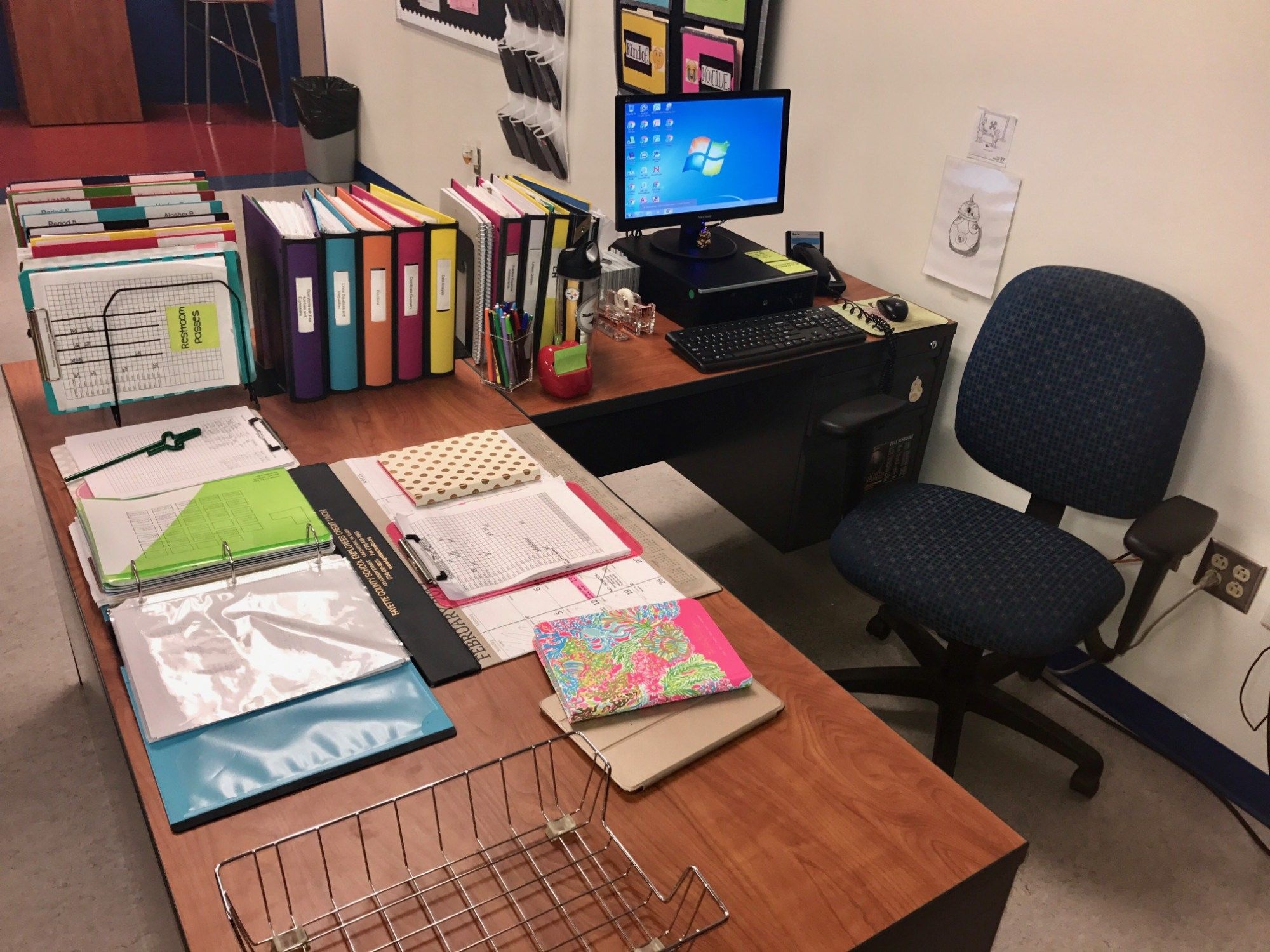
The first year of teaching can feel like a marathon run at sprint speed. Between lesson prep, paperwork, and classroom chaos, organization becomes the only way to keep your energy and clarity intact. The key is to treat organization not as perfection, but as a rhythm that adapts as you grow.
Quick Insights
Phase 1: Set Up Your Foundation (Before the Year Starts)
This stage is about making your classroom and time management predictable.
Think less about decoration, more about logistics. You’re designing a cockpit, not a gallery.
Phase 2: Managing the Day-to-Day (During the Semester)
Once routines are running, your focus shifts to time orchestration. This phase is where energy management beats color-coded perfection.
Here’s one reliable approach many new teachers use:
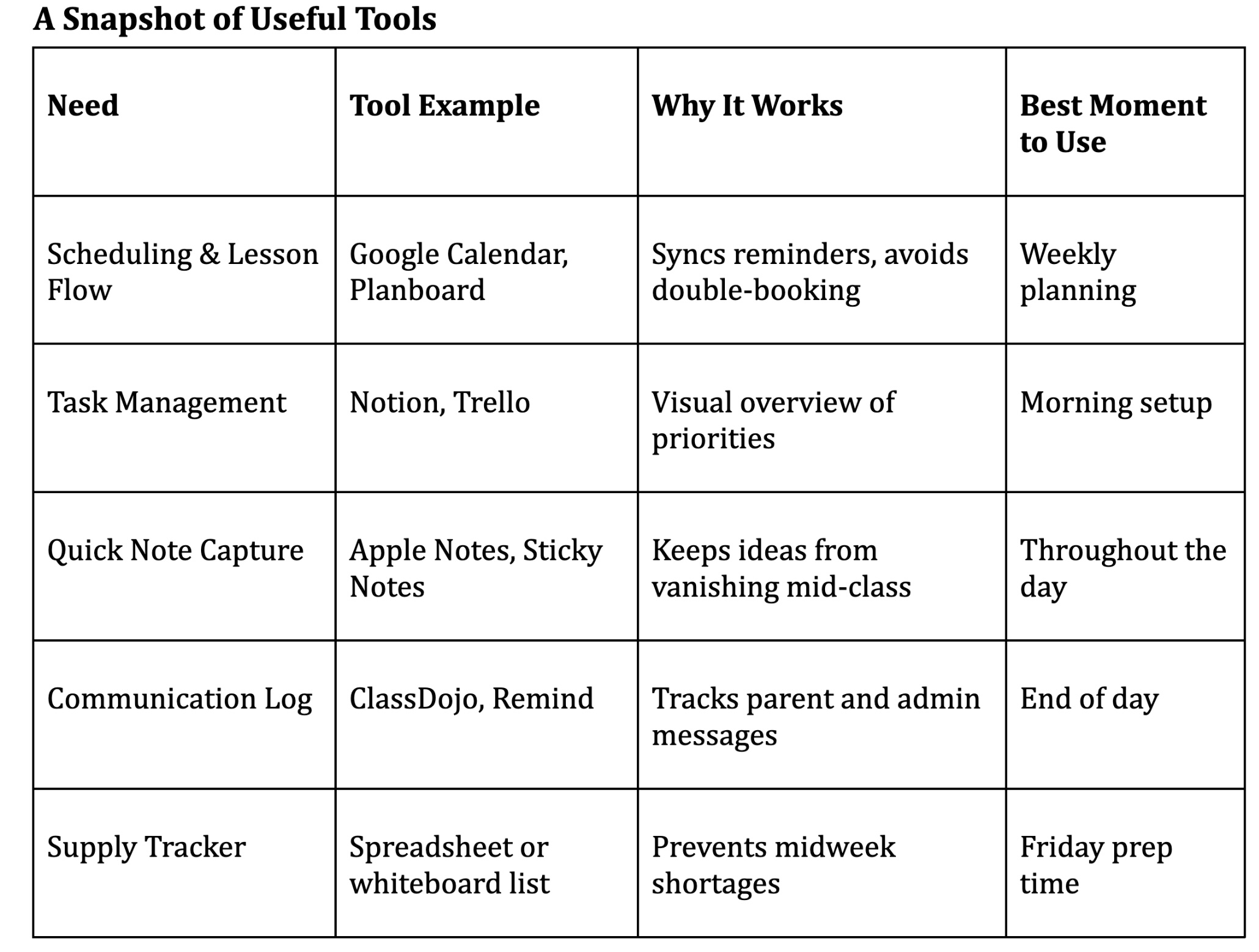
Each tool should solve one pain point, not add another dashboard to babysit.
Phase 3: Maintaining the Digital Layer (Weekly Reset)
Digital clutter drains focus as much as paper piles. Every weekend, dedicate one short block of time to file, rename, and back up your week’s work.
Scanning and digitizing older lesson plans turns them into living templates for future reuse. Save all documents as PDFs to preserve formatting across systems; and when you need to tweak one, PDF editing capabilities let you adjust without converting the file.
This small ritual builds a searchable memory of your teaching life instead of a stack of mystery folders.
Phase 4: When Systems Break (Midyear Reality Check)
Even with the best plans, every teacher hits the wall: progress reports, testing weeks, surprise meetings. Organization isn’t about preventing breakdowns; it’s about recovering faster when they happen.
One sentence to remember: “Reset small, not all.” Don’t try to overhaul everything at once. Instead:
Phase 5: Reinforce Growth and Efficiency (End of Month)
Reflection turns scattered effort into sustainable improvement. Schedule a short monthly review to check what worked and what didn’t.
Here’s a simple structure:
This step closes the loop; your organization matures alongside your teaching skill.
FAQ
1. How do I stay on top of grading without losing weekends?
Batch similar assignments and use rubrics to speed evaluation. Set a time cap for each grading session—when it’s over, stop. Digital tools like Google Classroom’s comment bank can automate repetitive feedback. Protect one full day each week with no grading at all to recover mental space.
2. My inbox is out of control. Any fix?
Use the “touch once” rule: open, act, and archive. Create folders by urgency: today, this week, later. Set aside one email window per day rather than checking constantly. That alone can save an hour daily.
3. I can’t find balance between planning and teaching.
Reserve Mondays for long-range planning and midweek for quick adjustments. Keep next week’s materials ready by Friday. Predictable rhythms reduce last-minute scrambling and keep lessons aligned.
4. What should I do when I feel disorganized and behind?
Acknowledge it, then start with one visible win. Clear your desktop or file the top ten papers. Order returns through visible progress, not guilt. Momentum is more important than catching up instantly.
5. How can I keep from reinventing the wheel each semester?
Create a digital “gold folder” with lesson plans, slides, and resources that worked well. Tag each file by grade and topic. Over time, it becomes your personal library; organized experience ready to reuse.
Conclusion: Structure Creates Freedom
Organization isn’t a personality trait; it’s a form of professional kindness to yourself. Every label, folder, and routine you build today buys you future calm. You’ll still face unpredictable days, but they won’t undo you. Over time, your systems will hum quietly in the background, freeing you to do what drew you to teaching in the first place: helping students grow with focus, patience, and presence.
Emily Graham
Emily is the creator of MightyMoms.net. She believes being a mom is one of the hardest jobs around and wanted to create a support system for moms from all walks of life. On her site, she offers a wide range of info tailored for busy moms — from how to reduce stress to creative ways to spend time together as a family. You can email her at emilygraham@mightymoms.net. She lives in Arizona.