
Creative After-School Ideas to Spark Kids’ Growth Without Stress by Emily Graham
offers great after school advice of any parent or care giver who is at home when kids arrive or before dinner. Thanks Emily.
Busy parents seeking after-school activities and educators supporting families often hit the
same wall: plenty of after-school engagement options exist, but few feel like creative enrichment
for children without creating new logistics headaches. Between family scheduling struggles,
limited program fit, and the real mix of child development challenges in any group, it’s easy for
afternoons to turn into a tug-of-war between “productive” and “peaceful.” The result is a routine
that looks full on paper yet still leaves kids under-stimulated or overwhelmed. A calmer, more
flexible approach can still support creativity and meaningful growth.
Understanding Alternative Learning After School
When typical programs do not fit, alternative learning simply means choosing experiences that
still teach, but in a different shape. It can be maker time, outdoor challenges, family projects, or
student-led clubs that feel natural to your child. The key idea behind creative learning is that
kids grow when learning stays active, playful, and connected to real interests.
This matters because many families need options that do not depend on perfect schedules,
fees, or limited seats. Demand is huge, with 30 million school-aged children needing care and
enrichment while far fewer are enrolled. Flexible choices can still build focus, communication,
and confidence without adding pressure.
Think of it like swapping a fixed menu for a buffet. One child thrives in a quiet “tinker corner” and another lights up leading a mini team challenge. Educators can share simple prompts, and parents can pick what fits the day. A low-prep sticker design craft is a great place to start.
Make Custom Stickers: A One-Week Art-and-Tech Project
When kids get the chance to learn in unconventional ways, they often shine brightest in projects
that feel personal and playful. Designing and creating their own stickers is a simple, hands-on after-school activity that sparks creativity and makes room for self-expression, whether they’re turning drawings into mini “collections,” celebrating a favorite fandom, or capturing your family’s inside jokes. It can also grow into something bigger: a themed sticker club with friends, or even a tiny entrepreneurial project where they design sets for classmates or special occasions. If you’re intimidated by the “tech” side of the art, it’s easy with this custom sticker maker that
incorporates templates, graphics, text, and straightforward drag-and-drop editing to create
printable designs.
Pick Outside-the-Box Activities and Start in 15 Minutes
When kids get a short menu of options (instead of an open-ended “What do you want to do?”),
they’re more likely to start, and stick with it. Use the ideas below like a cafeteria line: pick one
for today, then rotate.
add numbers, and give your child sticky notes to “vote” or “build” answers by physically
moving them into place. A quick, low-prep movement-oriented math activity works because kids stay engaged with their whole body, not just a worksheet. Setup plan: paper + tape + sticky notes + marker, then a timer for two 6-minute rounds.
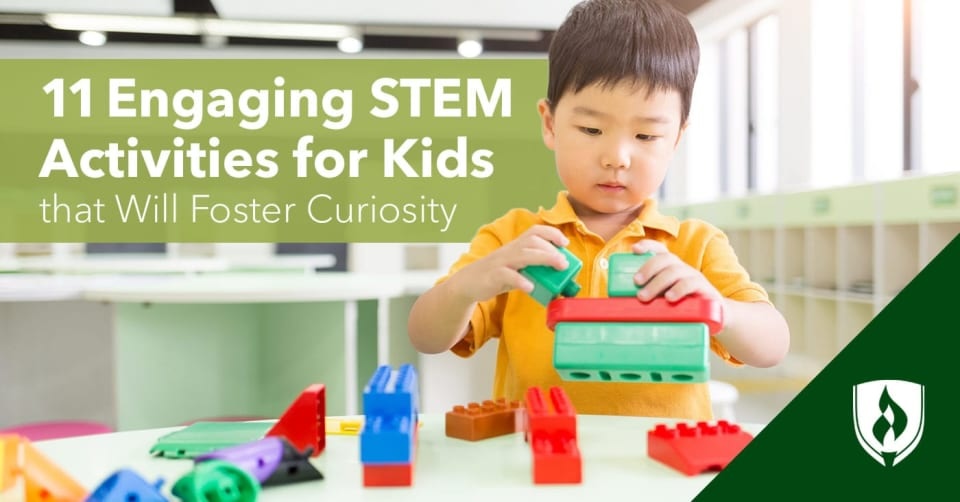
like a paper bridge for toy cars, a spill-proof snack container, or a shade structure for a
plant. The best STEM exploration for children is hands-on so kids can test, tweak, and try again without a big lecture. Setup plan: a “build bin” (tape, cardboard, scissors, string)
plus a note card that says: Goal, Materials, Test, Improve.
20–30 minutes: assemble hygiene kits, write thank-you notes to school staff, or pick up
litter on one block with gloves and a bag. Youth volunteering opportunities work better
when they’re specific and time-boxed, kids feel the win quickly. Setup plan: text a friend
to join once a week and keep a simple “service log” page your child can decorate with
their own sticker labels.
copy, remix, using any image (book art, a poster, family photo). They spend 5 minutes
noticing details, 5 minutes sketching the main shapes, and 5 minutes remixing it into
their style. Setup plan: one pencil, one marker, and one “limited palette” rule (only two
colors) to reduce decision overload.
something small: a sticker pack for locker labels, pet-sitting flyers, or “desk reset” help
for a parent’s home office. Keep it educator-friendly by using existing curriculum planning ideas at home too, price, cost, and customer feedback can be a quick mini- lesson, not an extra burden. Setup plan: 10 minutes to define the offer, 5 minutes to make one simple sign, then one “customer interview” at dinner.
grid: Create, Build, Help, Earn, and list two activities under each (stickers count as
Create + Earn if they sell or gift them. Decide in advance: one square per day, plus a
clear stop time so evenings don’t spiral. This tiny routine also makes it easier to talk
about cost, safety, age fit, and how much supervision each choice really needs.
After-School Ideas Parents Ask About Most
Q: What should I look for when choosing an after-school program or activity?
A: Start with three filters: your child’s interest, the adult-to-kid supervision reality, and the “gets us home calm” factor. Ask, “Will this feel doable on a tired Tuesday?” If you are comparing programs, choose the one that clearly states routines, behavior expectations, and how they communicate with families.
Q: How can I keep kids safe if I’m juggling work and dinner?
A: Pick activities that match your supervision bandwidth, not your ideals. Use a simple check-in
routine: start time, location, and a 5-minute “show me what you made” at the end. If tech is
involved, keep devices in shared spaces and use a visible timer.
Q: What activities actually fit different age groups without causing meltdowns?
A: For younger kids, prioritize short bursts and clear steps, like build, test, tweak. For older kids, add choice and ownership, like planning a mini service project or a small “offer” they can improve weekly. When in doubt, scale down materials and scale up structure.
Q: How do I manage costs without sacrificing quality?
A: Treat cost like a design constraint and set a monthly cap before you browse. Free or low-cost
options can still be high-impact, especially when they build skills schools care about as the
average ACT score has dropped to 19.8. Libraries, recycled supplies, and swaps with other families often cover most needs.
Q: When should I prioritize homework versus hobbies?
A: Use a predictable order: snack, 10 to 20 minutes of movement or making, then homework,
then a short wrap-up choice. That “starter” activity can reduce resistance and make work time
smoother. If grades are slipping, shorten hobby time but keep it daily to protect motivation.
Grow Confidence With One Low-Stress Creative After-School Choice
After school can feel like a tug-of-war between keeping kids productive and protecting their
downtime, especially when programs, costs, and schedules compete for attention. The steady
path is a simple, low-pressure mindset: keep motivating parental involvement, focus on
implementing creative learning through play and practice, and stay open to exploring diverse
activities as interests change. When families and schools take this approach, supporting child
growth through activities becomes more consistent, and building children's confidence starts to
show up in small, everyday wins. One small, consistent activity beats a packed schedule every
time. Choose one new activity this week and watch how it evolves with your child’s energy and
curiosity. That’s how skills, resilience, and connection grow in ways that last.
Emily Graham
Emily is the creator of MightyMoms.net. She believes being a mom is one of the hardest jobs around and wanted to create a support system for moms from all walks of life. On her site, she offers a wide range of info tailored for busy moms — from how to reduce stress to creative ways to spend time together as a family. You can email her at emilygraham@mightymoms.net. She lives in Arizona.