
The Gut-Brain Connection: Dietary Shifts That Move the Needle on Adolescent Anxiety by Sara William
Adolescence is a challenging time for both the young person and the parent. The struggles of growing and changing of the self and the stresses of academic and social life are causing young people to be more anxious than they have ever been. When this stress can no longer be managed, parents have to find other solutions rather than just talk therapy and medication. Surprisingly, new research is showing a great deal of promise in a place most people would never expect to look: food.
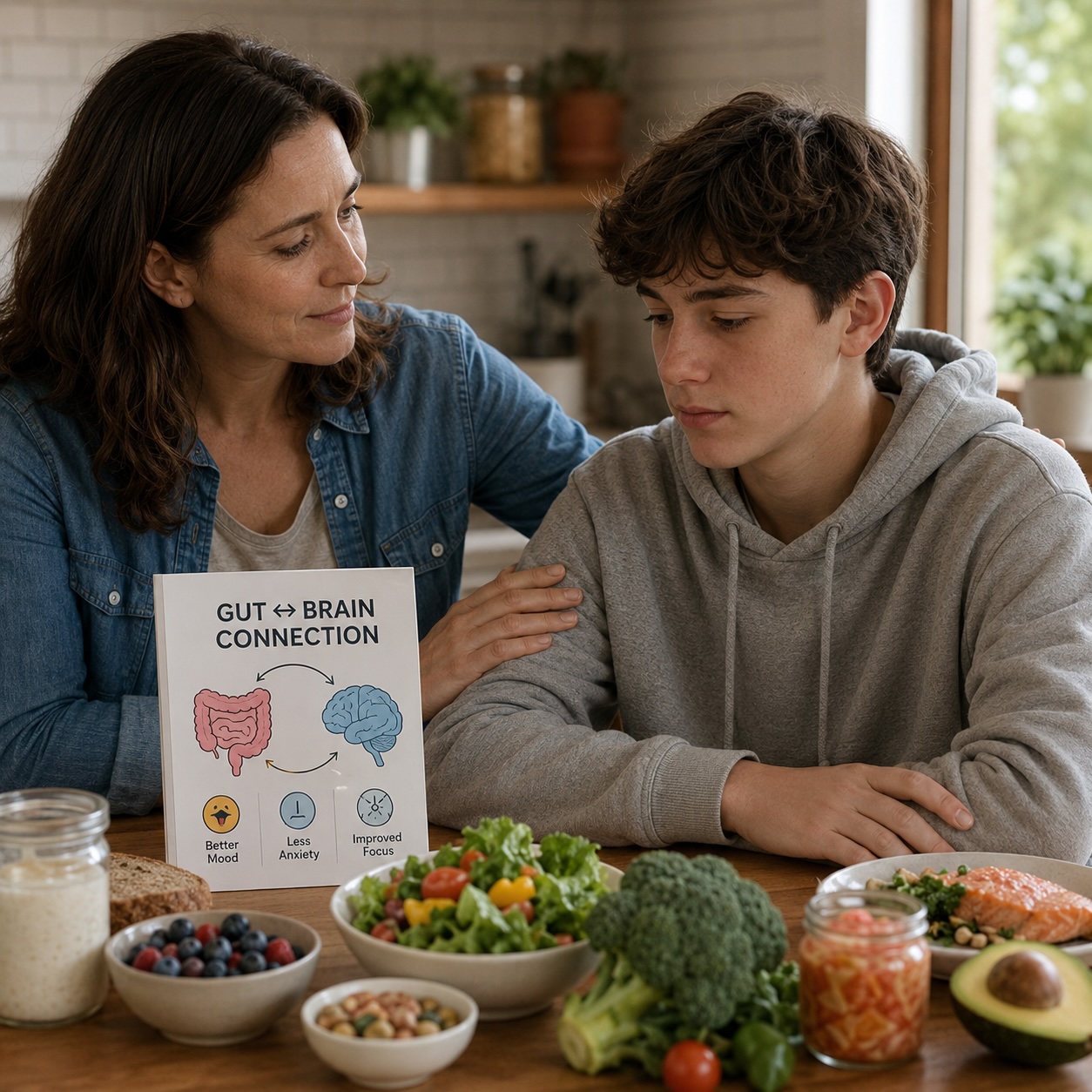
The understanding of the gut-brain connection has changed the landscape for a lot of avenues in the mental health and wellness space. The gastrointestinal tract is much more than a simple digestive tube. In fact, it acts as an independent nervous system and communicates directly with the brain. When families make science-informed and purposeful dietary changes, they can have a wonderful and positive impact on their teen’s resilience, clarity, and anxiety.
A Kid’s Gut Can Help You Understand How Their Brain Works
Before you can understand why your teen’s diet is directly related to how they feel, we need to identify the expressway that connects the gut to the brain. The Gut-Brain Axis is a bi-directional communication network comprising the vagus nerve, immune system signaling, hormonal pathways, and microbial metabolites.
Collectively known as the gut microbiome, countless organisms reside in our gut. They break down food in a way that assists our body. Comparatively, microorganisms manufacture our body’s neurotransmitters and even produce GABA, dopamine, and serotonin. It’s a fact that the gut produces around 90% of our body’s serotonin, the neurotransmitter that is responsible for our mood and happiness.
When a teenager’s diet consists of ultra-processed foods, refined sugars, and poor-quality fats, the balance shifts and the microbiome progresses unfavorably. This shift results in an increase of harmful bacteria with a significant decrease of healthy bacteria and leaky gut syndrome. This inflammation results outside of the digestive system as well. Inflammatory molecules cross the blood-brain barrier and cause neuroinflammation which can impair concentration and result in increased anxiety and irritability.
Teenagers may attain a balance at an emotional level by replacing their ultra-processed foods with healthy, nutrient-dense foods. They nourish their body and in turn, their bacterial ecosystem. This also results in an extended variety of microbiomes which produce short chain fatty acids like butyrate, which strengthens the gut lining and calms the nervous system and reduces inflammation.
Expanding the Lens: The Brain-Gut Connection in Neurodiversity and Anxiety
While anxiety attacking the neurotypical adolescent is a cause for concern and an epidemic, it is a much larger concern for neurodivergent youth. Attempting to understand the brain-gut connection and autism shows the importance of understanding the correlating factors as to why there is an exceedingly high number of autistic teenagers that suffer from extreme anxiety and sensory distress, and behavioral dysregulation.
There is a clear connection between neurodivergent behaviors and gut issues. Many autistic people report having severe, chronic issues with the gut that make daily life more difficult. Because autistic people and other neurodivergent people often have severe sensory issues, it can be difficult, if not impossible, for them to articulate the gut issues that they are having, and they often manifest in anxiety, meltdowns, and/or withdrawal.
There are also differences in gut microbiomes of neurodivergent people. There are certain strains of gut bacteria that affect the production of neurotransmitters, which can regulate anxiety, stress, and behavior. Changing the diet to remove gut irritants and to include foods that are healing to the gut can lead to a lot of different health benefits.
Relaxing gut irritants can lead to beneficial changes in mental health as well. Dietary changes help clear the type of mental noise that causes anxiety to enable better social engagement in the autistic teenager.
Healing dietary suggestions for an anxious adolescent
Your goal shouldn’t be to make radical changes to your autistic teenager’s diet to any of these suggestions. Instead, make small changes in their diet that help stabilize their blood sugar, reduce inflammation, and help heal their gut.
Eat More Fiber and Prebiotic Foods
To feed good bacteria that live in our gut, eat more fiber and prebiotic foods. Prebiotic foods are plant-based with more fiber. Foods like garlic, onions, leeks, asparagus, oats, and bananas that are not too ripe, produce good microbes that produce calming neurotransmitters. Eating a variety of different colors of fruits and vegetables will include a variety of different microbes.
Add Fermented Foods and Probiotics
Fermented foods can also help microbiomes. Yogurt, kefir, sauerkraut, kimchi, and kombucha are all great options that should be eaten regularly. If fermented foods are too tangy and not appealing, there are other options like probiotic supplaments.
Eliminate Processed Foods and Sugars
Eating too many refined carbohydrates and sugars can create blood sugar spikes and crashes that can increase feelings of anxiety because of the jittery and sometimes rapid heart symptoms. Trans fats and additives will also cause imbalances in the gut and promote inflammation. It is best to reduce or eliminate all sugary snacks and sodas and replace them with whole foods. This provides energy and helps improve concentration.
Focus on Healthy Fats for Brain Structure
Dietary fats are crucial since the human brain is made of about 60% fats. Omega-3 fatty acids are anti-inflammatory, and omega-3 sources include wild-caught salmon and sardines, walnuts, flaxseeds, and chia seeds. Omega-3 fatty acids also assist in the effective signaling of brain cells, and their membranes are fluid. Omega-3 fatty acid intake has the potential to lessen adolescent depression and anxiety.
Integrative Care and Professional Guidance
Dietary alteration is an essential component of healing; however, every adolescent is biochemically unique, so what benefits one may not benefit another. The collaboration of clinical specialists will ensure that adequate nutritional modifications are applicable to your adolescent’s specific needs, genetics, and lifestyle.
Models of integrative care are especially beneficial in this situation, such as mind align psychiatry. Medication and symptom alleviation are the main focus of traditional psychiatry. An integrative approach, however, recognizes the relationships between mental health and metabolic and gastrointestinal health and nutrition.
Practitioners of mind-aligned psychiatry partner with families to complete extensive diagnostic work. This may involve analyses of comprehensive stool tests, food sensitivity tests, assessments of vitamin and mineral deficiencies, and tests of inflammation. From an evidence-based approach, clinicians are able to establish dietary recommendations, supplementation, and work in concordance with nutrition and psychotherapy.
Address root physiological drivers of anxiety instead of simply treating surface symptoms. This multidisciplinary approach empowers adolescents to achieve sustainable wellness. Parents no longer have to make isolated and confusing dietary framework choices, knowing that experts will validate and ensure progress with every step taken.
Conclusion
Although adolescent anxiety is a complex challenge, families are not powerless. By acknowledging and understanding the significance of the gut-brain connection, parents are freed from traditional symptom suppression and are now able to focus and support from within. This can either be from the daily emotional struggle of a neurotypical teen due to stress from high school or addressing the gaps and needs from the gut-brain connection and autism spectrum. Dietary changes are designed with a purpose to provide a safe and empowering healing process.
In order to have a more comprehensive and individualized care designed for your teen’s unique biochemistry, incorporating more innovative techniques like Mind Align Psychiatry and Integrative Psychiatry will be needed. Every healthy and gut-supporting meal, every new and improved habit, and every new professional will slowly, one by one, build and support a more resilient and calm mind.
Sara William
Sara is a contributing writer specializing in health, home improvement, food, personal finance, and lifestyle. She lives in Illinois. You can email her at infoguestposters@gmail.com.